


 en
en

 +86 17854393377
Lactose
Lactose is mainly used in the production of baby food and in the preparation of pharmaceuticals, such as as a diluent in pharmaceutical tablets and powders.
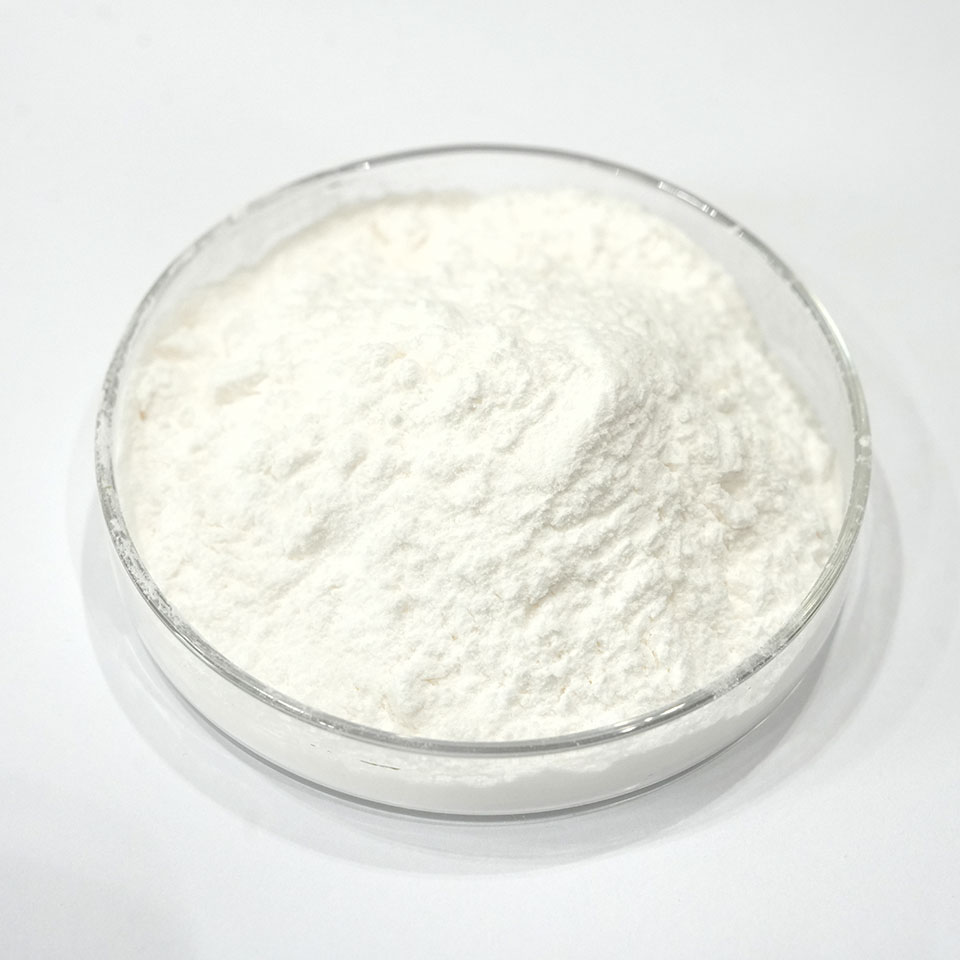
Introduction to Pharmaceutical-grade Lactose
Pharmaceutical-grade lactose is white crystals or crystalline powder. It tastes sweet, with a sweetness content approximately 70% of that of sucrose. Odorless or with a slightly characteristic smell. Relative density d4201.525(hydrated substance). It has reducing property and dextrorotatory optical property. Lactose is readily soluble in water but insoluble in ethanol, L-form or ether.
The role of lactose in pharmaceuticals
Lactose is mainly used in the production of baby food and in the preparation of pharmaceuticals, such as as a diluent in pharmaceutical tablets and powders.
Lactose has many benefits, such as:
1. Lactose can provide energy for the human body and can be further broken down into galactose for absorption in the human body.
2. Promoting the absorption and utilization of other elements, lactose can help calcium be better absorbed in the body.
3. Catalytic effect: It catalyzes the decomposition of other large particles of nutrients in the body.
Food-grade lactose
Food-grade lactose, as the name suggests, refers to a type of sugar present in breast milk. The sugar mentioned here does not merely refer to the sugar cubes, white granulated sugar, brown granulated sugar or rock sugar commonly consumed in daily life, but generally refers to carbohydrates composed of carbon, hydrogen and oxygen elements. Lactose is a disaccharide, composed of two molecules of monosaccharides, including one molecule of glucose and one molecule of galactose. It exists in the milk of mammals such as humans, cattle and sheep, and its sweetness is only about one sixth of that of sucrose.
Product application
Nutritive sweetener; Excipient Dispersant; Flavoring agent; Nutritional supplements. It is mainly used as an adsorption and dispersion agent for powdered food pigments, reducing the pigment concentration, facilitating use and minimizing discoloration during storage. Taking advantage of its easy compressibility and low water absorption, it is used as an excipient for tablet pressing and other applications. The caramelization temperature of lactose is relatively low (163℃ for sucrose). Due to the characteristics of glucose at 154.5℃ and lactose at only 129.5℃, for some special baked goods, a deeper yellow to caramel color can be obtained at a lower baking temperature. It also has the functions of preventing crystallization, reducing sweetness, preventing adhesion and enhancing aroma. It is used in baby food, candies and margarine, etc.
