


 en
en

 +86 17854393377
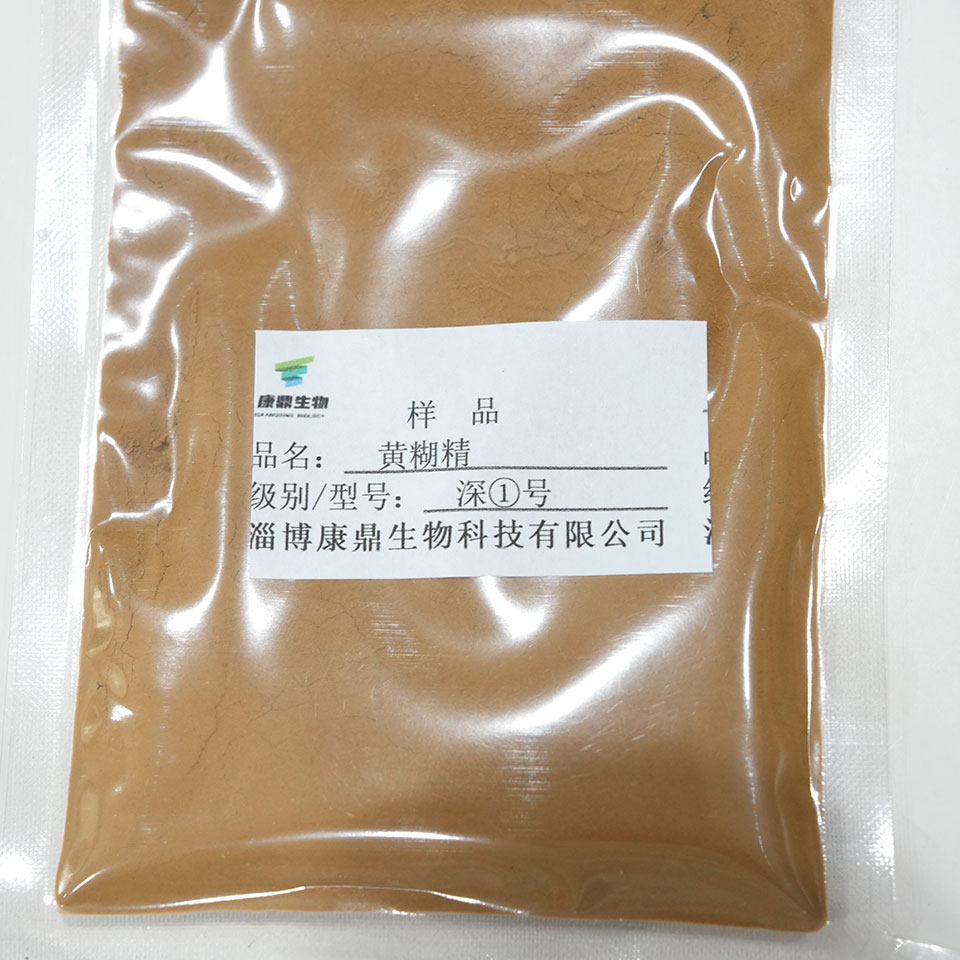
Yellow dextrin dark ①
Yellow dextrin is divided into food grade and industrial grade. It is widely used in industries such as animal and plant extraction, medicine, food and beverage, grinding tools and abrasives, sand casting, refractory materials and rubber products, especially in the use of grinding tools and abrasives, refractory materials, refractory furnace materials, lightweight bricks, and special-shaped bricks.

Product Introduction
Yellow dextrin is divided into food grade and industrial grade. It is widely used in industries such as animal and plant extraction, medicine, food and beverage, grinding tools and abrasives, sand casting, refractory materials and rubber products, especially in the use of grinding tools and abrasives, refractory materials, refractory furnace materials, lightweight bricks, special-shaped bricks, etc. It has a very good effect on the initial shaping of their products. When mixed in an appropriate proportion and stirred evenly, it can prevent collapse during the molding process. Protecting corners and edges has an excellent effect. Dry dextrin is a yellowish-white powder that is insoluble in alcohol but readily soluble in water. When dissolved in water, it has a strong viscosity. When starchy raw materials are steamed or boiled, the starch molecules decompose due to heat. If a drop of iodine is added at this time, the solution will turn red-purple instead of blue as starch turns when it meets iodine.
Product application
Yellow dextrin, abbreviated as dextrin or yellow gel powder, is widely used in the following industries:
1. In the grinding wheel industry, auxiliary materials are essential for the forming of ceramic grinding wheels.
2. In the medium and small-scale foundry industry (excluding large-scale resin sand molding), when yellow dextrin is used to make oil sand core patterns, the oil sand core patterns produced by combining paste powder with grease (Tonghu is even better) are several times stronger than those made with clay sand.
3. The casting bonding powder can be directly mixed and ground with the casting sand (add an appropriate amount of water, but no compound oil), and the core mold produced can be comparable to the oil sand mold.
4. It can also be used as an adhesive for the special tape paper of artificial boards.
5. Chemical industry, export dyes, additives, etc.
6. In the health food industry, among plant extracts and animal extracts
7. Food and beverage, feed fermentation raw materials.
